Understanding Image to Image AI Technology
Image to image AI technology is revolutionizing the way we create and manipulate visual content, enabling businesses and individuals to reimagine graphics, photographs, and illustrations with unprecedented ease. This technology leverages advanced algorithms to transform an input image into a new, visually distinct output while preserving essential features. As demand for high-quality visual content continues to rise in 2026, understanding and utilizing image to image AI effectively can provide a significant competitive edge. When exploring options, image to image ai tools allow for creativity and efficiency that traditional methods often can't match.
What is Image to Image AI?
Image to image AI refers to a subset of artificial intelligence that focuses on generating new images from existing ones. This process involves using neural networks, specifically Generative Adversarial Networks (GANs), to analyze and reinterpret image data. By processing the input image, the AI learns to recognize patterns, textures, and colors, allowing it to create unique outputs. These outputs can range from artistic renderings to realistic adjustments, making this technology versatile across various domains such as graphic design, marketing, and e-commerce.
Core Benefits of Image to Image AI
The adoption of image to image AI offers numerous advantages:
- Efficiency: Automates time-consuming design processes, freeing up creative professionals to focus on strategy and innovation.
- Cost-Effective: Reduces the need for extensive resources by allowing one tool to perform multiple tasks traditionally needing different software.
- Enhanced Creativity: Offers unique transformations that inspire fresh ideas and original designs, helping professionals push creative boundaries.
- Scalability: Enables businesses to generate vast amounts of high-quality visual content rapidly, which is essential for marketing and branding.
How It Works: The Technology Behind It
The functioning of image to image AI primarily centers around deep learning techniques. GANs consist of two neural networks: the generator and the discriminator. The generator creates images based on input data, while the discriminator evaluates the authenticity of these images against real ones. Through iterative training, the generator improves over time, producing increasingly realistic outputs. This sophisticated interplay not only enhances the quality of the images generated but also allows for various style transfers and modifications, exemplifying the technology's vast capabilities.
Applications of Image to Image AI in Various Industries
As image to image AI technology develops, its applications proliferate across several industries, reshaping traditional practices and enabling innovative workflows.
Image to Image AI in Graphic Design
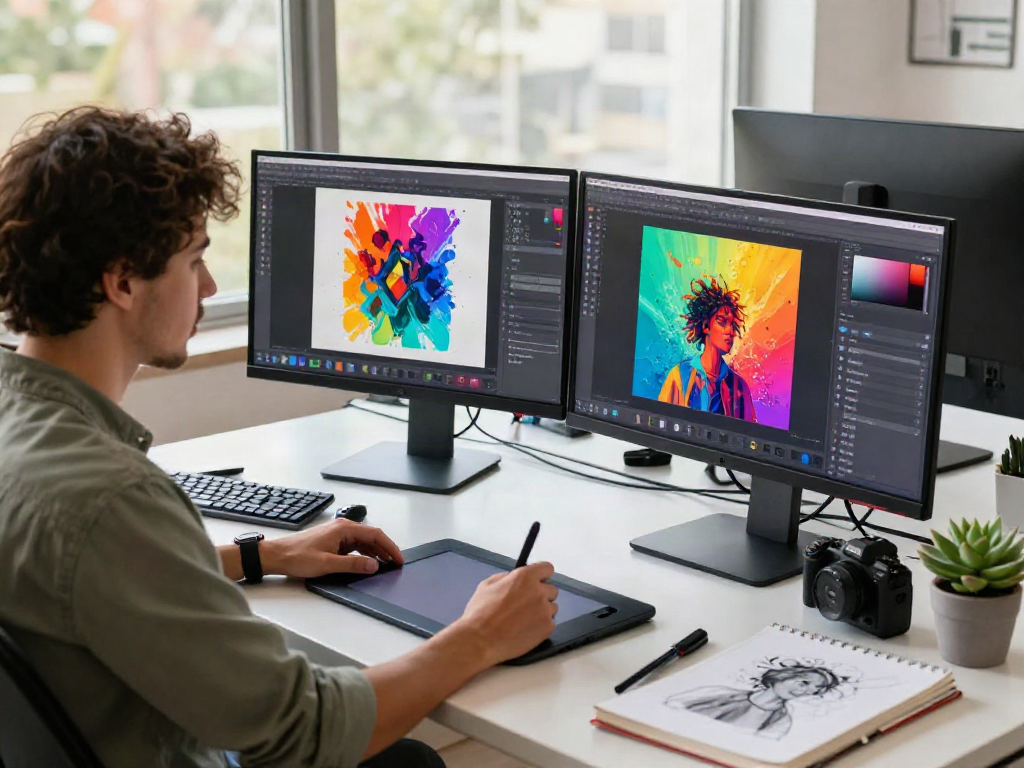
Graphic designers are among the primary beneficiaries of image to image AI. By utilizing these tools, professionals can quickly generate mock-ups, experiment with color palettes, and create variations of designs without starting from scratch. This streamlining of the design process not only enhances productivity but also encourages experimentation, resulting in more creative outcomes.
Impact on Marketing and Advertising
In marketing and advertising, visual content is paramount. Image to image AI enables marketers to produce tailored content at scale, ensuring that all visuals resonate with target audiences. By personalizing images and style adjustments, businesses can enhance engagement and drive conversions. Furthermore, the ability to quickly adapt campaigns with fresh visuals makes it easier to respond to market dynamics.
Innovative Uses in E-commerce
E-commerce platforms are harnessing image to image AI to optimize product images, providing potential customers with clear and appealing visuals. From virtual try-ons to intelligent image enhancements, this technology allows online retailers to create immersive shopping experiences. For instance, AI-driven software can simulate how a piece of furniture looks in a customer's home, significantly increasing the likelihood of purchase.
Choosing the Right Tools for Image to Image AI
With a multitude of image to image AI tools available on the market, selecting the right one can be daunting. A careful assessment of features and capabilities is crucial to ensure alignment with business needs.
Top Image to Image AI Software Options
Some of the leading software options for image to image AI in 2026 include:
- DALL-E: A highly recognized tool that allows users to generate detailed images from textual descriptions and modify existing images creatively.
- Runway ML: A user-friendly platform aimed primarily at creatives, enabling real-time image transformations and video editing.
- NVIDIA GauGAN: A powerful tool that converts simple sketches into photorealistic images, useful for designers and artists.
Key Features to Consider
When evaluating image to image AI tools, consider the following features:
- User Interface: An intuitive design can ease the learning curve for teams new to AI technologies.
- Customization Options: The ability to tweak settings to suit specific project needs enhances the tool's versatility.
- Integration Capability: Ensure that the software can easily integrate with existing tools and platforms, streamlining workflows.
Cost Analysis: Is It Worth the Investment?
Investing in image to image AI tools can yield significant returns, particularly for businesses focused on visual content. While initial costs may seem high, the potential for increased efficiency and enhanced creative output often outweighs these expenses. A thoughtful cost-benefit analysis, examining potential increases in productivity and sales, can help organizations make informed decisions about their investments.
Best Practices for Implementing Image to Image AI
Successfully integrating image to image AI into your workflow requires strategic planning and best practices to overcome potential challenges.
Setting Up for Success: Initial Steps
To kickstart the implementation process, consider the following steps:
- Define Objectives: Clearly outline what you hope to achieve with image to image AI, whether it be improving product photos or accelerating design processes.
- Train Your Team: Ensure that team members are well-versed in using the tools and understand best practices for maximizing their potential.
- Start Small: Begin with low-risk projects to test the technology before rolling it out on a larger scale.
Common Challenges and How to Overcome Them
While implementing image to image AI can be transformative, organizations may face challenges such as resistance to change and a steep learning curve. To mitigate these issues, invest in comprehensive training programs and demonstrate the tangible benefits through case studies and success stories. Engaging staff early in the process fosters buy-in and eases transitions.
Measuring Success: Performance Metrics to Track
It’s essential to measure the impact of image to image AI on your processes. Key performance metrics include:
- Time Savings: Track how much faster projects are completed with the integration of AI software.
- Quality of Output: Gather feedback on the quality of images produced through AI compared to traditional methods.
- Return on Investment (ROI): Analyze revenue increases and cost reductions stemming from updated processes.
Future Trends in Image to Image AI
The landscape of image to image AI is rapidly evolving, and understanding upcoming trends can help businesses stay ahead of the curve.
Predictions for 2026 and Beyond
Experts predict that by 2026, image to image AI will become more accessible, with advancements making it user-friendly for non-technical users. Democratization of this technology will likely lead to increased innovation across industries as small businesses leverage these tools to compete with larger enterprises.
Emerging Technologies to Watch
Several emerging technologies are set to impact the future of image to image AI, including:
- Augmented Reality (AR): Enhanced integration of AR with image to image AI could lead to real-time modifications and virtual experiences.
- 3D Rendering: Expanding on traditional 2D capabilities, image to image AI may evolve to deliver comprehensive 3D image transformations.
- Ethical AI: As the technology expands, ensuring ethical use will be critical in maintaining trust and transparency in AI-generated content.
Industry Experts Weigh In on Future Developments
Industry leaders argue that collaboration between AI developers and creative professionals will be vital for shaping the future of image to image AI. By fostering open dialogues and partnerships, the technology can evolve to meet ever-changing needs, ensuring it remains relevant and effective.
What are the main advantages of using image to image AI?
The primary advantages include enhanced creativity, efficiency, and cost-effectiveness, allowing businesses to produce high-quality visuals rapidly.
How can businesses leverage image to image AI effectively?
Organizations can effectively leverage image to image AI by identifying specific needs, choosing robust software, and training teams to utilize the technology optimally.
What are the most popular use cases for image to image AI?
Popular use cases range from graphic design and marketing to e-commerce product visualizations and art generation.
Are there any downsides to using image to image AI?
Potential downsides include quality inconsistencies and the risk of over-reliance on AI tools, which could stifle human creativity if not balanced properly.
How does image to image AI compare to traditional image editing methods?
Image to image AI offers more flexibility and speed compared to traditional methods, allowing for rapid experimentation and higher output volumes while retaining quality.